















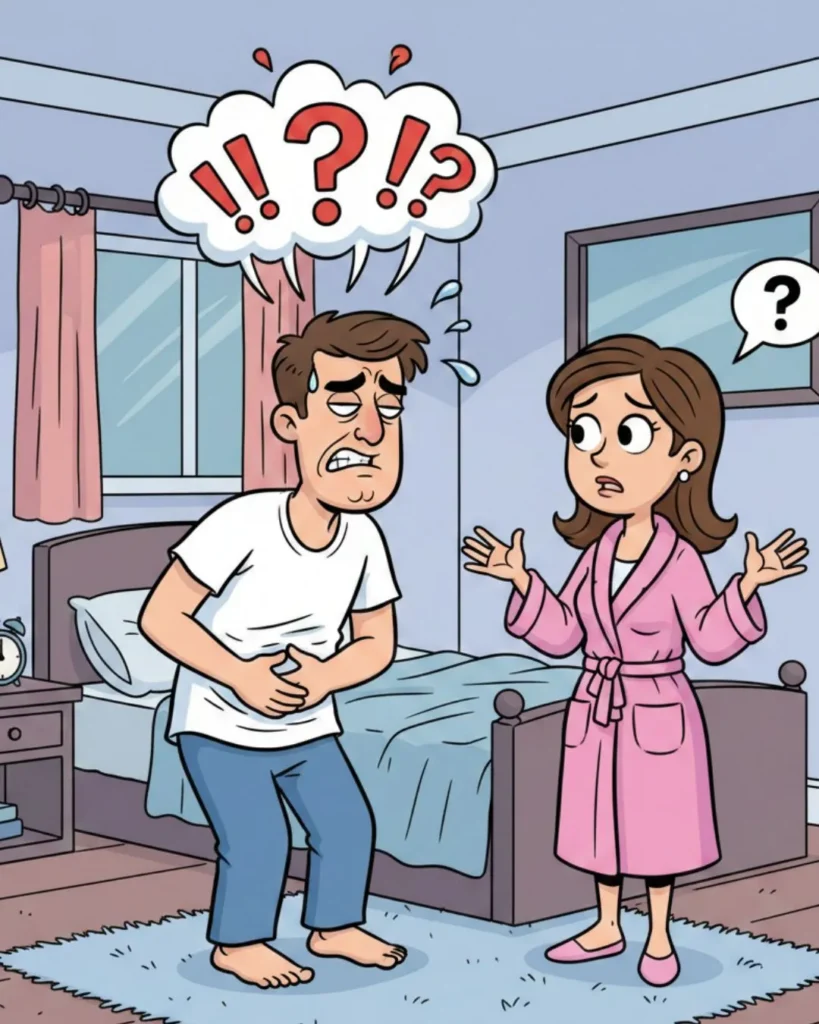
Painful orgasm is a topic nobody wants to discuss, yet it quietly steals joy from the bedroom. If you are experiencing pain and feel worried, confused, or even a little embarrassed, you are far from alone. Dysorgasmia isn’t uncommon.
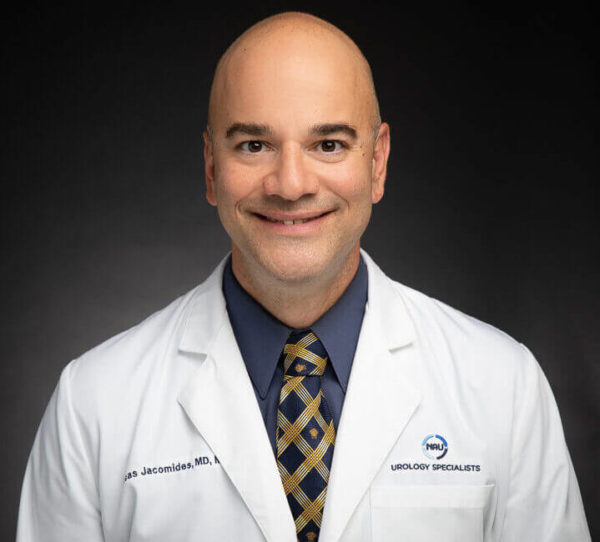
At Urology Specialists of Austin, Dr. Jacomides and his colleagues hear about this problem often. Patients try to explain what they feel and when it happens. This post helps you understand why you might experience orgasm pain and shows that real help exists.
What Do We Mean By Painful Orgasm?
We must define the issue first. A painful orgasm involves discomfort, pressure, burning, cramping, or intense pain in your pelvis. It falls under the broad category of sexual dysfunction.
For men, that can feel like pain in the penis, testicles, or deep between the scrotum and anus. Women may report female sexual pain in the vagina, clitoris, or deep inside the pelvis. This pain can radiate through the lower abdomen.
Sometimes the pain hits right at the moment of climax. Sometimes it arrives a few seconds later. For some, dysorgasmia treatment focuses on a deep, dull ache that lingers for hours.
Common Reasons Orgasm Starts To Hurt
There is no single cause for painful orgasm. That is why simple pills rarely fix it long term. Here are the patterns providers see most often in the clinic.
1. Pelvic Floor Muscle Trouble
Your pelvic floor muscles sling under your pelvis to support your bladder and bowels. During sexual intercourse, these muscles contract in a fast, rhythmic pattern. It is a complex muscle reflex.
If muscles are too tight or uncoordinated, problems arise. The pudendal nerve can become compressed. Something that should feel like pleasure feels more like a cramp.
Urologists see this in men with testicular pain and people with deep pelvic aching. A physical therapist is often needed to correct this. Floor therapy helps muscles that squeeze fluid work smoothly again.
At Urology Specialists of Austin, we have a Pelvic Floor Physical Therapist, Cindy Villasana, DPT, PT, who is happy to help assess your symptoms.
2. Surgery Or Radiation To The Bladder Or Prostate
Procedures can change how your body functions. Men recovering from prostate cancer often notice changes. Procedures on the bladder or prostate gland can alter the path semen takes.
Fluid may wash back into the bladder instead of shooting forward. This often happens after surgery or radiation. It affects the ejaculatory duct and natural flow.
A dry orgasm should still feel fine, but scar tissue can change nerve signaling. The way muscles fire after surgery can cause discomfort. This can lead to significant sexual dysfunction.
3. Infection, Inflammation, Or “Chemical” Irritation
Infection is a common trigger for sudden pain. Issues like pelvic inflammatory disease or prostatitis can be the cause. Sexually transmitted infections are also potential culprits.
STI tests are important to rule these out. Women with uterine fibroids pelvic symptoms or inflammation in the fallopian tubes may also suffer. Past issues like an ectopic pregnancy can leave the area tender.
Chemicals can also cause inflammatory disease symptoms. Harsh creams can burn delicate skin. This irritation mimics an infection but requires different care.
4. Nerve Damage And Diminished Sensation
Nerve damage can create strange sensation patterns. Diabetes is a common cause of this issue. The inferior rectal nerves or genital nerves may lose signal.
You can have less feeling and more pain at the same time. This makes it hard to experience orgasm comfortably. The signals are mixed and confusing.
Urologists can measure this in the office. They use vibratory testing on the penis or clitoris. This confirms if the nerves are working well.
What Your Body Is Doing During Orgasm
Most people picture orgasm as a simple event. They imagine fluid traveling in a straight line. The reality is more complex.
Orgasm include contractions of several muscle groups. This applies to penile orgasms, vaginal orgasms, and even anal orgasms. It is a coordinated pelvic event.
Muscles tighten to support arousal and then move to expel fluid. The location of your pain tells a story.
- Pain during buildup hints at overactive support muscles.
- Pain at release points to the prostate or expulsion muscles.
- Lingering pain suggests pelvic floor spasms or inflammation.
How Urologists Evaluate Painful Orgasm
If your doctor simply writes a prescription, you may need a second opinion. A comprehensive evaluation is necessary. A good assessment guide covers history and physical health.
History That Actually Listens
A healthcare provider will ask direct questions. They need to know your full sexual history. They will ask if you avoid sexual activity due to pain.
They should check your surgical history. Procedures on the pelvis or back can change nerve function. Medication lists are also reviewed.
Hormonal birth control usage is relevant for women. Hormonal birth methods can affect tissue health. Past experiences with birth control matter.
Physical Exam And Targeted Testing
A gentle physical exam is a key step. The doctor checks the penis, testicles, and pelvic floor. A rectal exam helps evaluate the muscles.
This acts as a preliminary assessment guide. A preliminary assessment identifies trigger points. It helps rule out structural issues.
If nerve loss is suspected, more testing occurs. Vibration and temperature tests map sensation. This helps build a complete case report.
Treatment Options That Go Beyond “Take A Pill”
Holistic urology considers the whole person. This includes blood flow, hormones, and lifestyle. Dysorgasmia treatment is multifaceted.
Pelvic Floor Physical Therapy
Pelvic floor physical therapy is a powerful tool. It is not just for women after childbirth. Men with chronic pelvic pain benefit greatly.
A skilled physical therapist can find tight muscles. They teach you to relax the right areas. Floor therapy often resolves the root cause of the pain.
Therapists use manual techniques and breathing exercises. They teach diaphragmatic breathing to relax the pelvic bowl. This helps release scar tissue and tension.
Medication And Nerve Soothing
Doctors use medicine to calm irritated nerves. Low-dose drugs can quiet signals at night. This breaks the cycle of chronic pain.
Targeted treatments help with internal burning. Urologists may place medicine directly into the urethra. This brings relief to specific painful spots.
Regenerative Options For Nerve And Sensation Issues
Some patients struggle with sensation loss. This is a common topic in sex med. PRP injections are a modern option.
This stands for platelet-rich plasma. It uses your own blood to support repair. It helps improve response in sexual tissue.
Small studies show promise for sensation issues. It must be done by a medical professional. Safety is the priority.
What About Warming Gels, Toys, Or “Fun” Products?
Stores sell creams claiming to enhance pleasure. Used carefully, they can help. However, some products cause painful anal or genital burns.
Medical professionals sometimes use compounded creams. These might contain tiny doses of capsaicin. This boosts awareness of touch.
If you experiment with sensation gels, be smart. Test a small amount on your arm first. Communicate with your partner before applying anything.
- Check the bottle before use.
- Test on less sensitive skin.
- Watch for any lasting burning.
When Painful Orgasm Is Tied To Emotion And Stress
We cannot ignore the mental side of things. Psychological factors play a huge role. Anxiety depression stress loops affect sexual health significantly.
If sex hurts, you brace for pain. This creates a cycle of pain. Pain leads to more tension and fear.
Past emotional abuse can also manifest physically. Patients may avoid sexual encounters to stay safe. Therapy helps break this cycle.
Austin patients often work with a care team. This includes a urologist and a counselor. It treats the mind and body together.
How To Talk To Your Doctor About Painful Orgasm
It is normal to feel nervous. Many people wait until the end of the visit. Your healthcare provider is ready to listen.
Write down notes before you go. This helps you stay on track. Include details about when the pain happens.
- Where do you feel the pain?
- Does it happen with a partner?
- What makes it better or worse?
If you feel dismissed, find a different provider. You need a team that listens. A proper physical exam is essential.
Conclusion
Painful orgasm creates frustration and fear. Various health conditions can complicate your sex life. However, pain is just information.
It tells you that nerves or muscles need help. Dysorgasmia isn’t something you must accept forever. Treatments like pelvic floor therapy work.
You are not broken. You do not have to settle for dysorgasmia dysorgasmia patterns. With the right care, sex can be a source of joy again.