
















Written by: Blayne Andrews, MS
When most people think about improving their health, they focus on nutrition, exercise, supplements, or drinking more water. While all of those things matter, there’s one health habit that often gets overlooked: Sleep.
As a health coach, I see a lot of patients looking for ways to improve their energy, hormone balance, recovery, weight management, and overall quality of life. One of the first things I ask about is sleep. Sleep affects almost every system in the body, including your urological health.
The reality is that you can’t out-supplement, out-exercise, or out-hydrate poor sleep.
Why Does Sleep Matter for Urological Health?
Your body does some of its most important repair work while you’re sleeping. During deep sleep, hormones are regulated, inflammation decreases, tissues recover, and your nervous system gets a chance to reset.
When sleep is consistently disrupted, you may experience:
● More frequent nighttime urination (also called nocturia)
● Increased urinary urgency
● Pelvic floor tension
● Lower energy levels
● Reduced testosterone production
● Poor recovery from stress
● Difficulty maintaining a healthy weight
Many people are surprised to learn that their sleep habits could be contributing to symptoms they’re experiencing throughout the day.
The Sleep-Stress-Bladder Connection
Another important aspect I discuss with my patients is stress. When you’re stressed, your body produces more cortisol, your primary stress hormone. Elevated cortisol can make it harder to fall asleep, harder to stay asleep, and harder for your body to fully recover.
At the same time, a constantly stressed nervous system can increase muscle tension, including in the pelvic floor, and may contribute to urinary symptoms for some individuals.
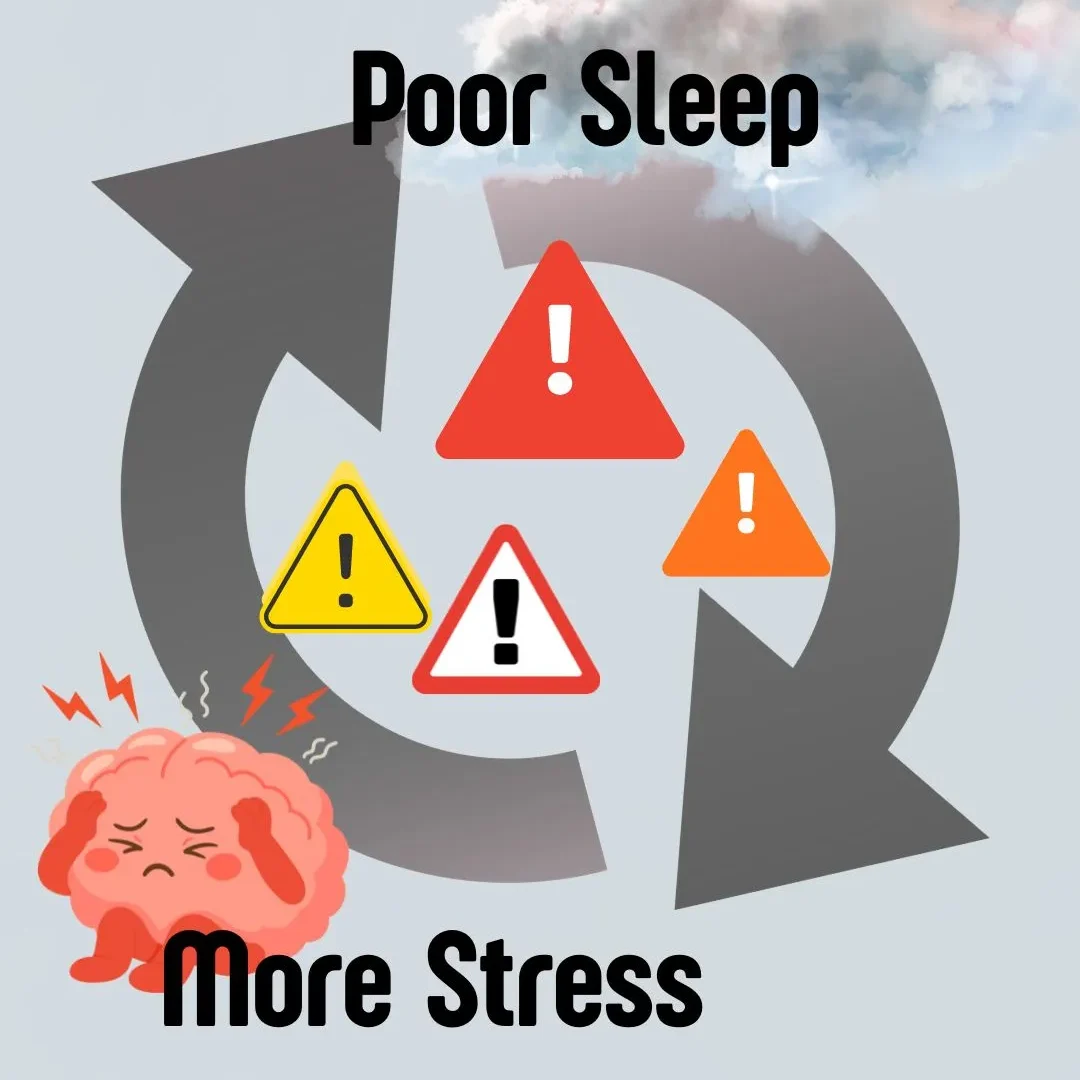
It’s a cycle:
Poor sleep increases stress.
Stress worsens sleep.
Both can negatively impact bladder, pelvic, and hormone health.
The good news? Small changes can create significant improvements over time.
5 Ways to Improve Your Sleep
- Get Outside Within an Hour of Waking Up
If I could recommend just one sleep habit, this would probably be it.
Getting 10-20 minutes of natural sunlight shortly after waking helps regulate your circadian rhythm,
your body’s internal clock.
Morning light tells your brain it’s time to be awake, which actually helps your body produce melatonin
later that night.
Bonus: Most people notice improvements in energy, mood, and sleep consistency when they make this a daily habit. - Cut Off Caffeine Earlier Than You Think
Many people can drink coffee in the afternoon and fall asleep just fine.
The problem is that falling asleep and getting quality sleep are not always the same thing.
Caffeine can stay in your system for several hours and may impact sleep quality even if you don’t realize it. Try limiting caffeine after lunch and see how you feel. - Create a Consistent Sleep Schedule
Your body loves consistency.
Going to bed and waking up at roughly the same time every day helps regulate hormones, energy levels, and sleep quality. Yes, even on weekends. - Reduce Screen Time Before Bed
Your phone probably isn’t helping your sleep.
Scrolling social media, checking emails, or watching videos right before bed keeps your brain stimulated when it should be winding down.
Aim for 30-60 minutes of screen-free time before bed whenever possible. - Watch Your Evening Fluid Intake
Hydration is important, but drinking large amounts of fluid right before bed may increase nighttime trips to the bathroom. Try focusing on hydration earlier in the day and tapering fluid intake a few hours before bedtime.
The Bottom Line
Sleep isn’t just about feeling rested the next day. It’s one of the most powerful tools we have for supporting hormone health, stress resilience, recovery, metabolism, and urological health. If you’re dealing with fatigue, nighttime urination, pelvic symptoms, or simply not feeling your best, don’t overlook the basics. Sometimes the most effective health interventions aren’t found in a prescription bottle, they start with getting a good night’s sleep.